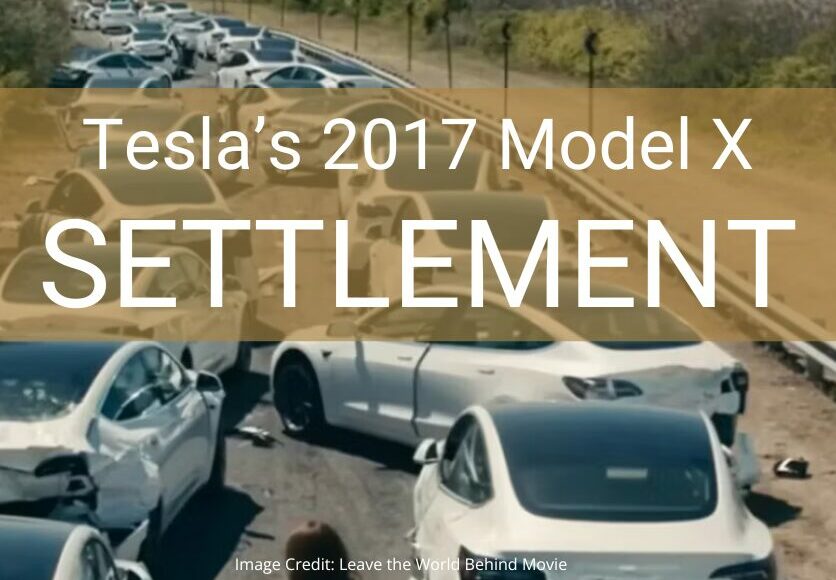
The recent undisclosed settlement between Tesla and the family of Walter Huang marks a significant development in the ongoing dialogue about the safety and reliability of automated driving systems. This settlement, reached just as the trial was about to commence, highlights critical aspects of Tesla’s Autopilot technology and raises questions about the future of automated vehicles on our roads.
The Incident and Legal Proceedings
In March 2018, Walter Huang, a 38-year-old Apple engineer, tragically lost his life when his Tesla Model X, operating on Autopilot, collided with a highway barrier near San Francisco. The crash not only led to a heartbreaking loss but also ignited intense scrutiny over Tesla’s semi-autonomous driving technology. The lawsuit claimed that the Autopilot system had malfunctioned, steering the vehicle into the barrier despite Huang’s reliance on the technology for safety.
Tesla’s Defense and Settlement Decision
Tesla contended that the accident was a result of misuse of the Autopilot system, alleging that Huang was distracted by playing a video game moments before the crash. Despite Tesla’s defense, the decision to settle before the trial could be seen as a strategic move to avoid public examination of their technology and potential reputational damage at a time when CEO Elon Musk is heavily promoting self-driving capabilities as central to Tesla’s future.
Implications for Tesla and Automated Driving Industry
This settlement comes at a crucial point for Tesla, amid other lawsuits concerning Autopilot-related crashes and increasing scrutiny from regulatory bodies like the U.S. National Highway Traffic Safety Administration (NHTSA), which has been involved in investigating numerous incidents linked to Tesla’s automated driving systems.
The legal outcomes of cases like Huang’s are pivotal, as they set precedents in how responsibility is assigned in accidents involving autonomous vehicles. They also influence public and regulatory perspectives on the safety of these technologies. The settlement might signal to other plaintiffs that Tesla could opt to settle in certain cases, potentially leading to more such agreements.
Tesla’s Technology Under Microscope
Autopilot and Full Self-Driving (FSD) are marketed with the promise of sophisticated driving assistance features, yet Tesla continues to emphasize that these systems require active driver supervision. This paradox continues to be a focal point of both legal and consumer safety concerns. Critics argue that Tesla’s marketing might lead consumers to overestimate the capabilities of the systems, a perspective seemingly supported by instances where users have placed too much trust in the technology.
Merkel and Conner Injury Law: Advocates for Victims of Autonomous Vehicle Accidents
At Merkel and Conner Injury Law, we specialize in representing individuals who have been injured in accidents involving autonomous and semi-autonomous vehicles. Our firm understands the complexities of such cases, including the nuanced technological and legal aspects that often come into play. We are committed to advocating for the rights and safety of those adversely affected by the progression of automotive technology.
Our legal team stays at the forefront of legislative developments and technological advancements to ensure that our clients receive informed and effective representation. We aim to hold manufacturers accountable and seek justice for our clients, ensuring they receive the compensation they deserve for their injuries and losses.
Future of Automation and Responsibility
The broader implications of this case extend beyond Tesla and touch on the ethical, legal, and technical challenges facing the entire automotive industry as it moves towards more autonomous technologies. Manufacturers must navigate the balance between innovation and safety, ensuring that advancements in automation do not outpace the necessary safeguards that protect consumers.
Consumer Confidence and Market Response
Tesla’s approach to handling lawsuits and incidents involving its technology will likely influence consumer confidence in automated technologies. As the industry evolves, transparency and accountability will be key in shaping public trust and regulatory frameworks.
FAQs
What does Tesla’s settlement imply for future Autopilot litigation? Tesla’s decision to settle could indicate a more pragmatic approach to handling litigation, potentially leading to more settlements in cases where the technology’s functionality is under question.
How does Autopilot work? Tesla’s Autopilot is an advanced driver-assistance system that uses cameras, ultrasonic sensors, and radar to see and navigate the environment. It includes features like adaptive cruise control and lane keeping but requires the driver’s attention at all times.
Is the Tesla Autopilot system fully autonomous? No, despite the advanced capabilities of Autopilot and the Full Self-Driving package, Tesla emphasizes that these systems are not fully autonomous and require active driver supervision.
What are the safety concerns associated with Tesla’s Autopilot? Safety concerns include the potential for technology to malfunction and the possibility of drivers becoming overly reliant on the system, leading to distraction.
What does this settlement mean for Tesla’s technological innovation? While the settlement avoids a lengthy public trial, it also highlights the ongoing challenges and scrutiny that Tesla faces